Our Story

The Land We Kept

A multi-generation story of family, stewardship, and the Montana ground that shaped Purdy Ranch.

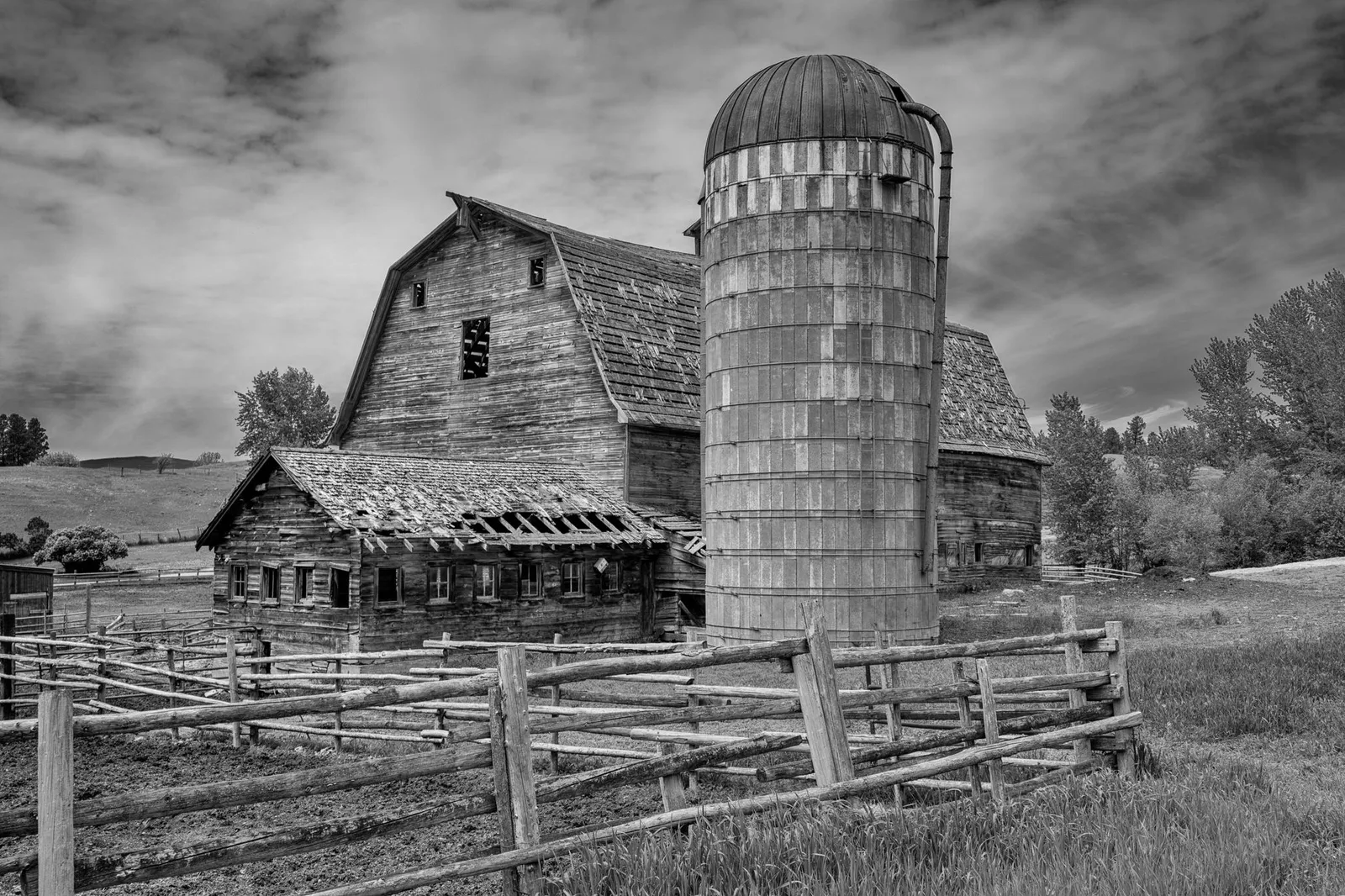
The historic barn and grain silo at Purdy Ranch
1866–late 1880s

1866–late 1880s

The Choice that Started it All

Purdy Ranch begins with a deliberate decision. In the late 1800s, Arthur Thomas Purdy left Michigan for Montana—not in search of ease, but in pursuit of ownership, responsibility, and permanence. The West offered no guarantees, only the opportunity to build something through work and endurance.

Arthur arrived in a Montana still forming its towns and communities. The land was demanding, the winters unforgiving, and progress slow. But it was honest ground. His decision to head west laid the foundation for a family legacy built not on speed or ambition, but on consistency.
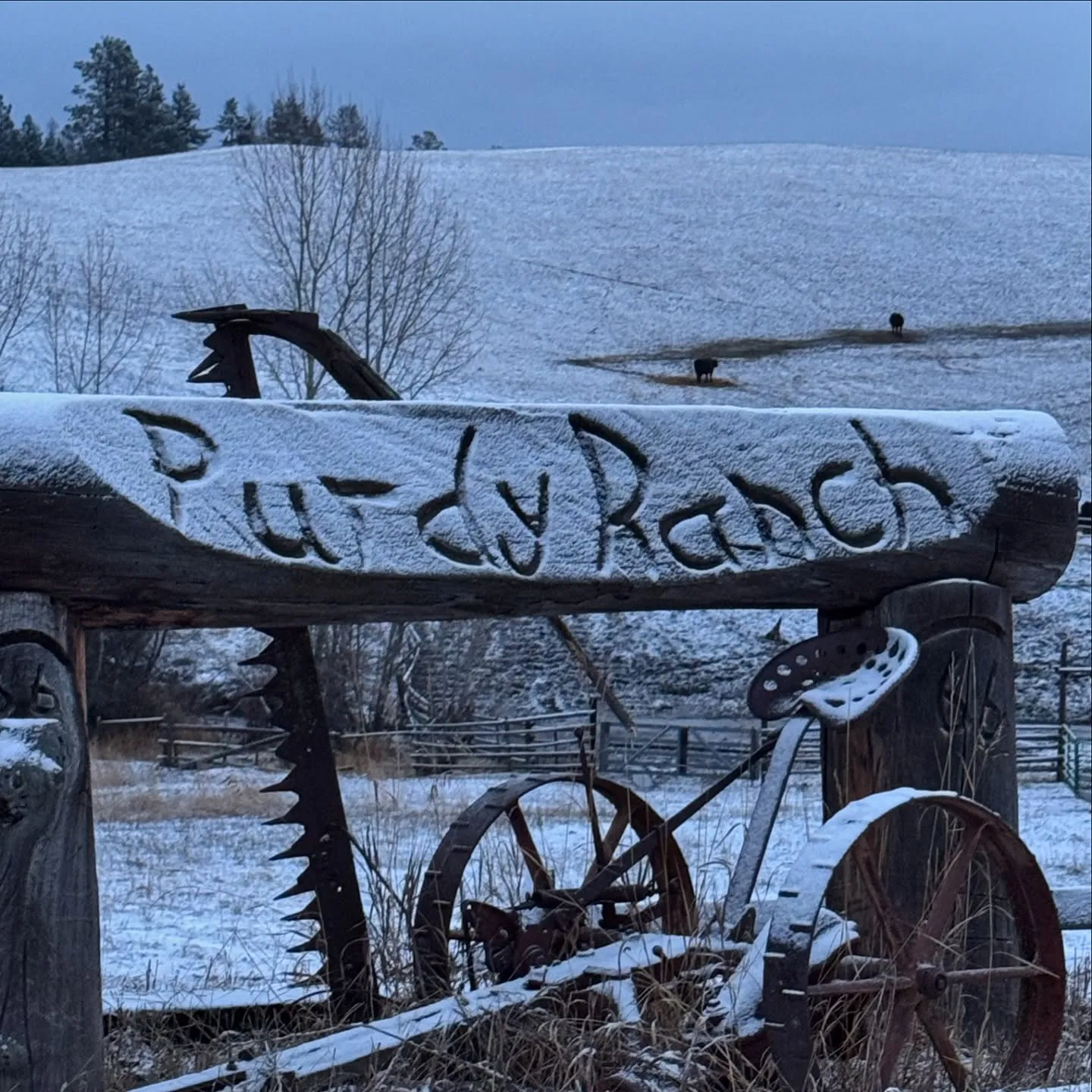
The Purdy Ranch sign in winter, with a vintage wagon wheel
Late 1880s–1900

Late 1880s–1900

Building a Life on Montana Ground

Arthur and his wife Terecia Towsley Purdy built their life the same way they approached everything else—steadily and with intention. Their home was shaped by routine, shared labor, and the understanding that everyone contributed.

Arthur became known as a man others could rely on, eventually serving as a county commissioner. Terecia carried the unseen weight of the household, creating stability through repetition and care. Together, they established a way of life grounded in responsibility, faith, and quiet leadership.

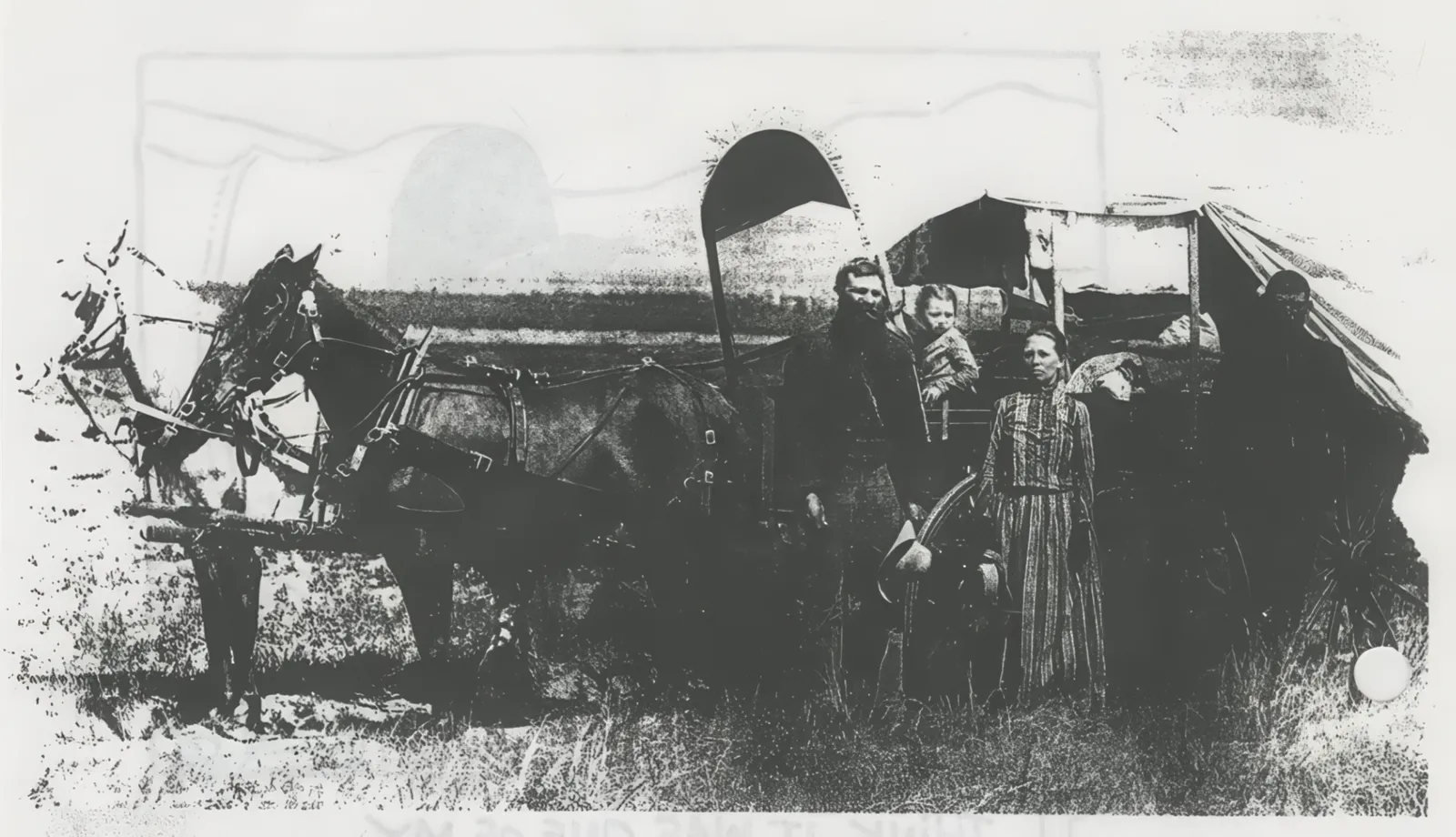
The Purdy family with horses and wagon on the Montana frontier
1890s–early 1900s

1890s–early 1900s

Raising a Family on the Frontier

The Purdy children were raised without separation between work and life. From an early age, they learned responsibility through participation—tending animals, maintaining the home, and adapting to the demands of Montana's seasons.

Frontier parenting left little room for indulgence, but it built resilience. Arthur modeled effort without complaint, while Terecia ensured the household remained ordered and grounded. The children grew up understanding that belonging meant contributing.

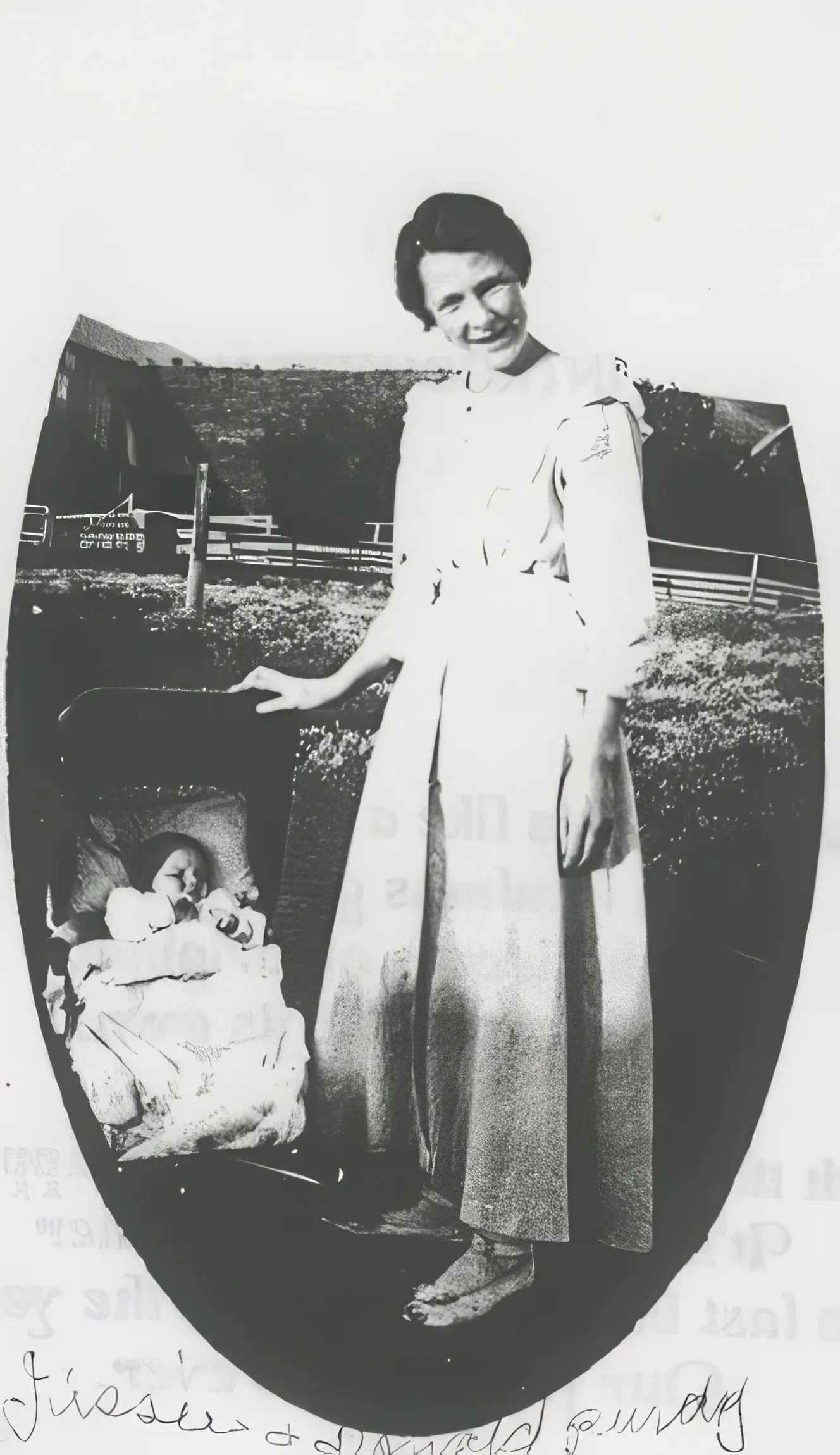
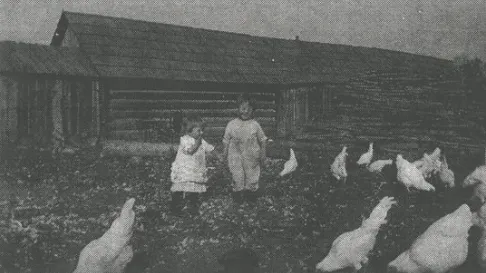
Jessie Purdy with a baby carriage near the ranch fence, early 1900s
1900–1915

1900–1915

Children Shaped by Land and Work

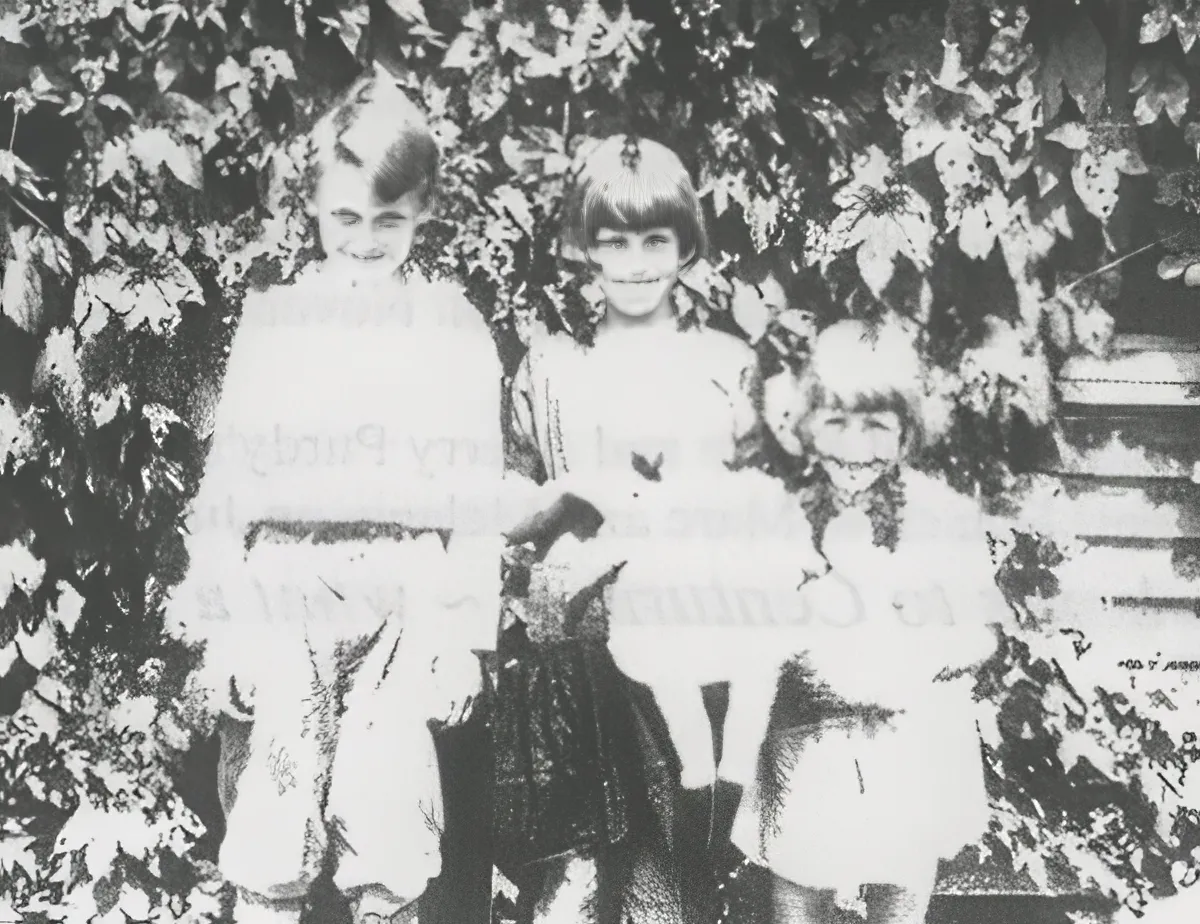
Each Purdy child responded differently to ranch life, but all were shaped by the same foundation. Responsibility was shared, individuality respected, and character formed through daily repetition rather than instruction.

Among them was Lynn Lionel Purdy, born in 1898—a Montana native who never questioned where he belonged. The land his father chose became the land that shaped him from birth.

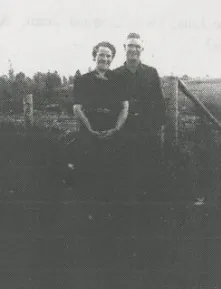
Purdy family group portrait, early 1900s
1915–1925

1915–1925

Lynn Lionel Purdy Comes of Age

Lynn learned leadership quietly, through observation rather than authority. He absorbed his father's measured decision-making and his mother's patience, taking on responsibility gradually and without ceremony.

As Arthur aged, authority passed naturally. Lynn did not seek change for its own sake. He believed growth should serve stability, and stewardship mattered more than expansion. Under his guidance, the ranch matured.

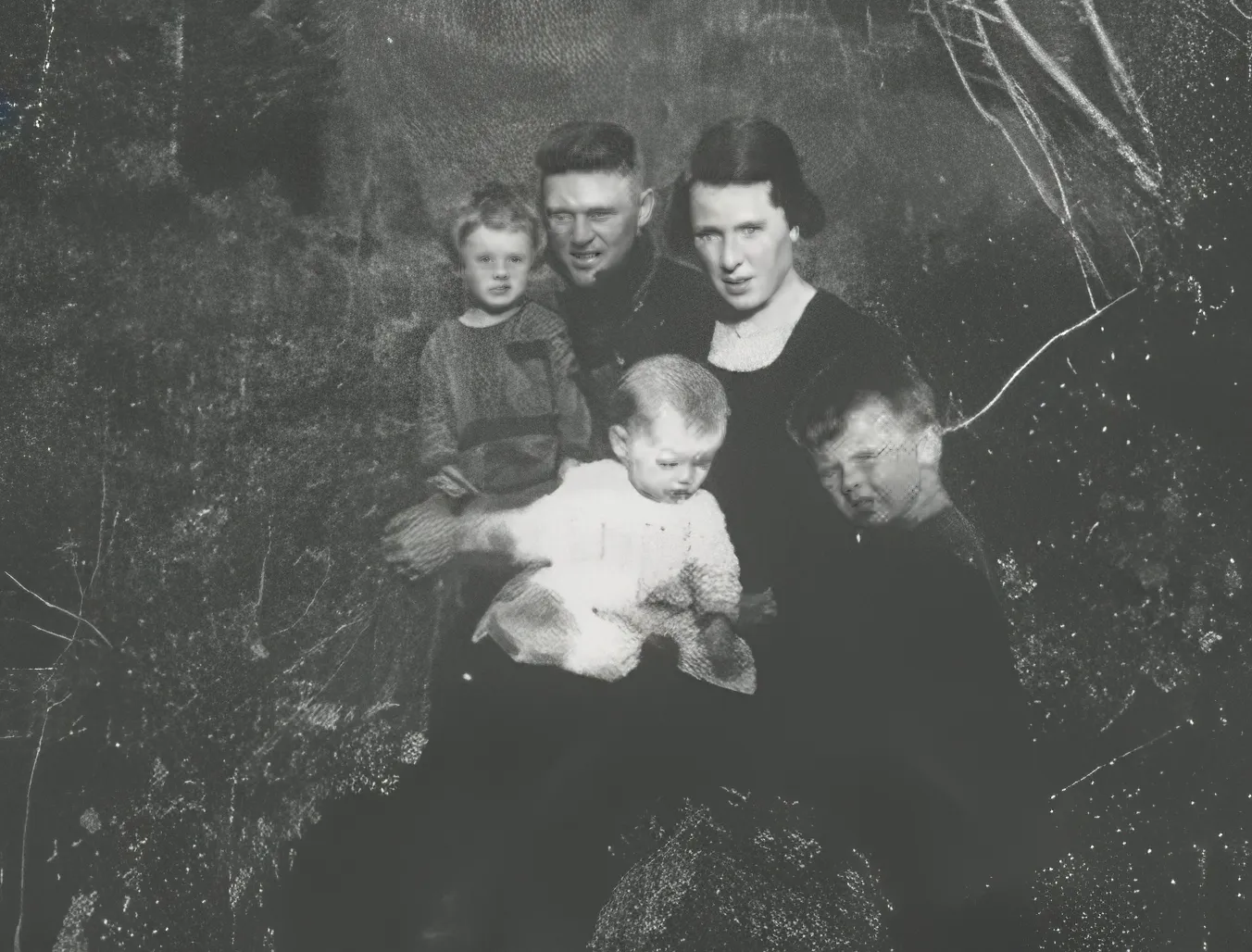
A Purdy family group at the ranch
1920s–1940s

1920s–1940s

Jessie Jane Purdy: The Heart of the Home

Lynn's wife, Jessie Jane Crowley Purdy, became the emotional center of Purdy Ranch. She believed a home was more than shelter—it was a place of gathering, memory, and continuity.

Jessie shaped family life through rhythm and consistency. Her kitchen became the heart of the home, where stories were shared and relationships strengthened. She ensured that even during the hardest seasons, the home remained a refuge.

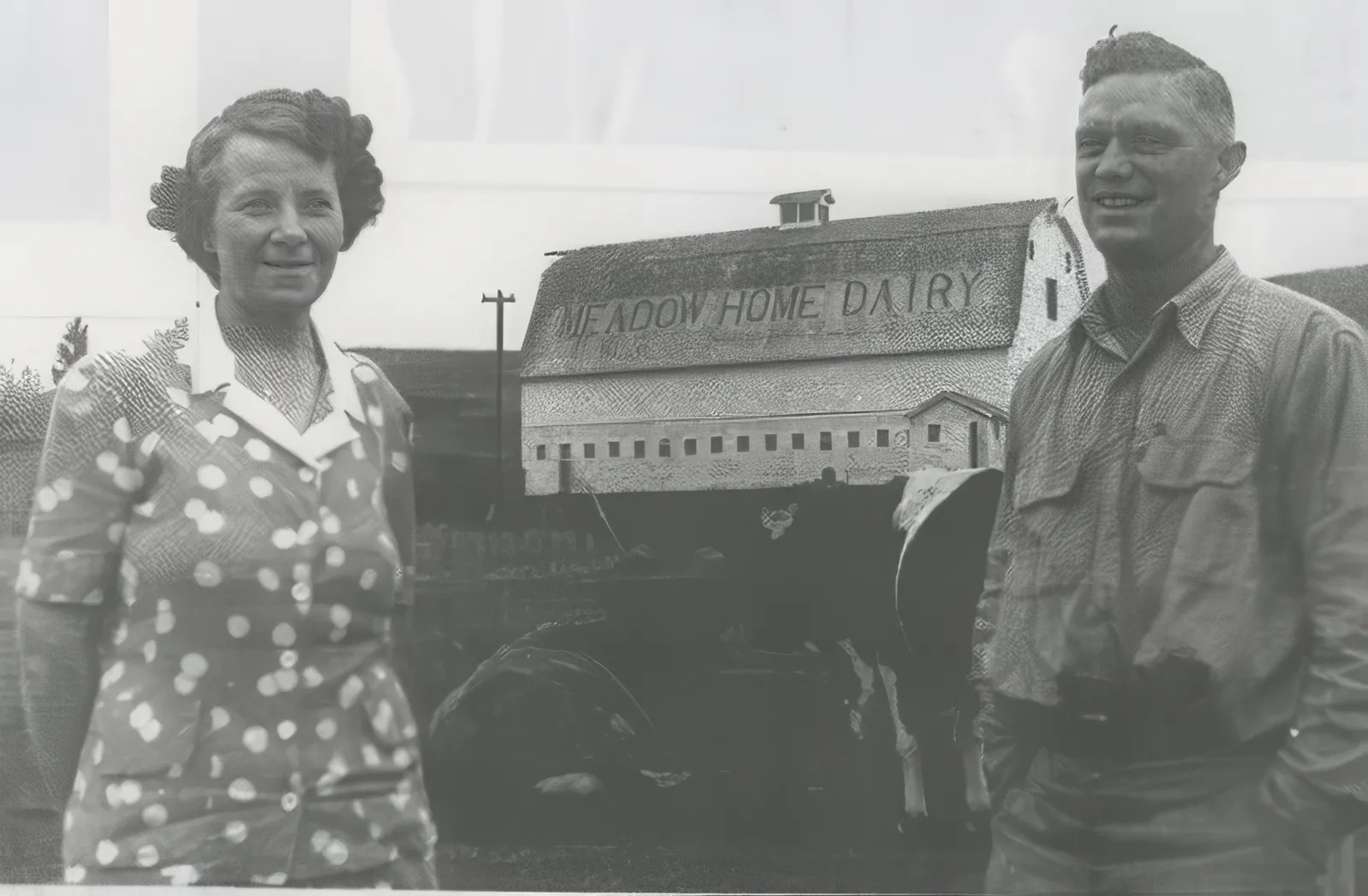
A Purdy Ranch couple at the Meadow Home Dairy barn, mid-20th century
1920s–1950s

1920s–1950s

Building Purdy Ranch as a Living System

Purdy Ranch was never just acreage—it was a living system. Lynn tended the land with restraint and attention, while Jessie tended the people who lived on it. Together, they understood that balance was essential.

Children participated as soon as they were able, learning that land responded to care and suffered from neglect. The ranch became a place people returned to—not just for work, but for connection.

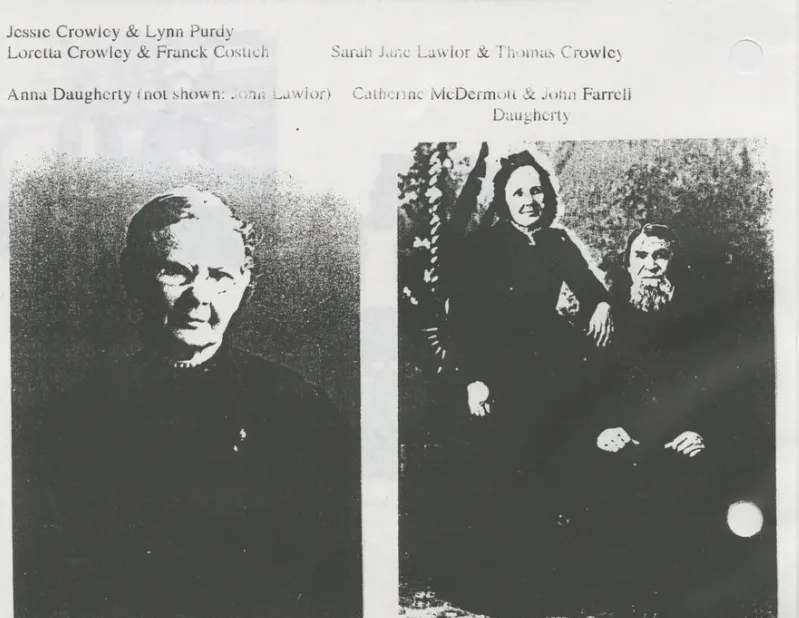
From the Purdy family archive, 1920s–1950s
1920s–1950s

1920s–1950s

The Third Generation Steps Forward

The third generation grew up with something earlier generations did not always have: choice. The foundation was steady, and each child carried Purdy values forward in their own way—through responsibility, care, craftsmanship, or connection.

The ranch remained a reference point. Even as lives expanded beyond the valley, Purdy Ranch represented origin and continuity rather than obligation.

From the Purdy family archive, 1940s–1980s
1940s–1980s

1940s–1980s

David “Dale” Purdy: Keeper of the Story

David Dale Purdy absorbed the ranch not just as responsibility, but as story. He noticed details others missed, remembered conversations, and brought people together through humor and presence.

Dale became the bridge between generations—retelling stories, preserving memory, and ensuring the family's past remained alive rather than archived. Through him, the Purdy legacy deepened.

From the Purdy family archive
Late 1800s–Present Day

Late 1800s–Present Day

What Endures

What endures at Purdy Ranch is not a single accomplishment, but a pattern—a way of approaching work, family, and responsibility. Across generations, the family adapted to change without losing its center.

The true inheritance passed down was character: shaped by effort, guided by faith, and reinforced through connection. The Purdy story continues wherever these values are practiced, remembered, and lived.

Go Deeper

The Family Archive

In 2020 the family gathered a century and a half of photographs, records, and memories into one album. We've brought the whole archive to the site — explore it three ways.

Today

The Fourth Generation

Today the ranch carries on under the fourth generation — Joe, Russell, and Nathan Purdy — still working cattle in the Tobacco Valley the way the family always has: calving in spring, moving the herd to mountain range for summer, roundup in fall, feeding through the Montana winter. The same family also serves the valley's land and homes through Montana Properties Group — different work, same ground, same handshake.

The story is still being written.

Browse a century of family photos in the gallery, or share your own Purdy Ranch memory on the Purdy Wall.